Blinker field of view visualiser
The short answer
Turn the dial to fit no cups, a French cup, a half cup or a full cup, switch to a visor or cheekpieces, and fit one side or both. The leather wedges show how much of the rear and side view each one closes. It is an illustration for comparison, not a measurement.
How does each blinker cup change a horse's view?
Each cup closes part of the rear of each eye’s field, from a little with a French cup to most of the side and rear with a full cup. The band in front, seen with both eyes, stays open. Use the dial below to compare them, or fit just one side.
- Behind
- Partly hidden
- To the side
- Mostly open
- Ahead
- Open
A small cup takes away part of the view to the rear and leaves the side mostly clear.
How do you read the field of view diagram?
You are looking down on the horse, nose at the top. The two brass fans are each eye’s field; the hatched band in front is seen by both eyes; the dark wedge behind is the natural blind spot; leather-coloured wedges are what the fitted cups hide. Dashed lines mark each cup’s edge.
What does the visualiser leave out?
Height and individual horses. It is drawn flat, from above, so it does not show vision up and down, the shadow roll’s job of hiding the ground ahead, or how a particular hood sits on a particular head. Trainers trim cups, so real depths vary widely.
For the science behind the natural field, read how horses see; for the cups themselves, types of blinkers.
Frequently asked questions
Only the natural field is drawn from published figures: about 65 degrees seen with both eyes and 146 degrees with each eye alone, per the AAEP Proceedings. The cup depths are a teaching illustration; real cups vary by maker and are often trimmed by trainers.
Because blinkers are designed to keep it open. Every cup type, from French to full, and every driving blinker blocks the rear and side and leaves the forward view clear. A visor even keeps a slit of side view.
Yes. The cup dial is a slider: focus it with Tab and use the arrow keys, Home and End. The style and side controls are ordinary radio buttons.
Sources
- 01Back to Basics: Foundational Clinical Skills for Equine Practice (vision and ocular reflexes)AAEP Proceedings, Vol. 68, 2022
- 02Assessment of vision and common eye problems in horsesCornell University College of Veterinary Medicine, May 15, 2023
- 03What Racehorses Wear (Tracy Gantz)Retired Racehorse Project, Off-Track Thoroughbred Magazine, Fall 2018
- 04Horse Racing Explained: What Are Blinkers?America's Best Racing
- 05Jargon Buster: horse racing termsGreat British Racing
Checked . Rules, products and stock change, so confirm with the racing authority, the maker or the shop. We are independent and not paid by anyone named. Read the disclaimer or how we check facts.
Related guides
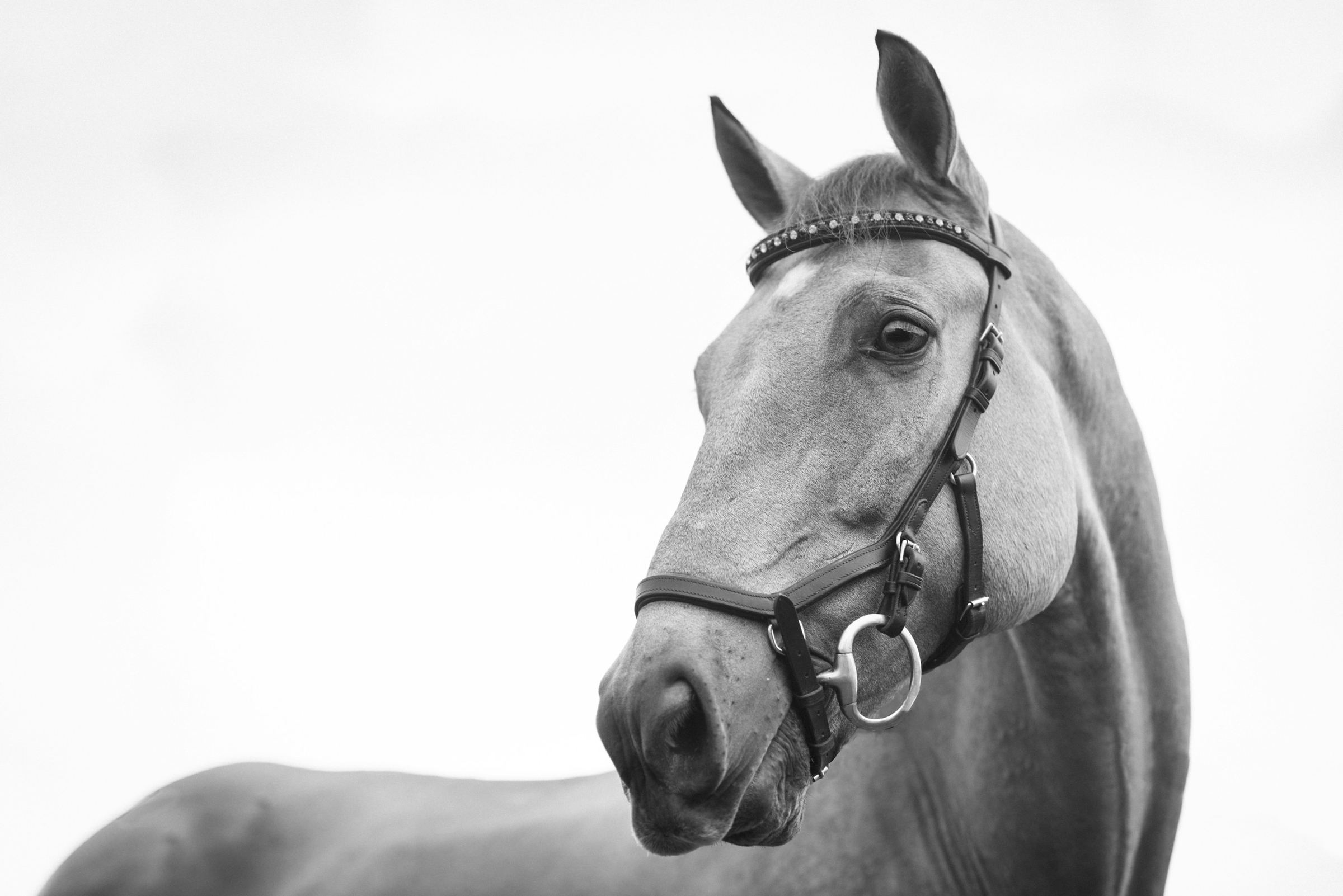 UnderstandHow horses seeAlmost a full circle, a narrow band of depth, and two small blind spots.Read the guide
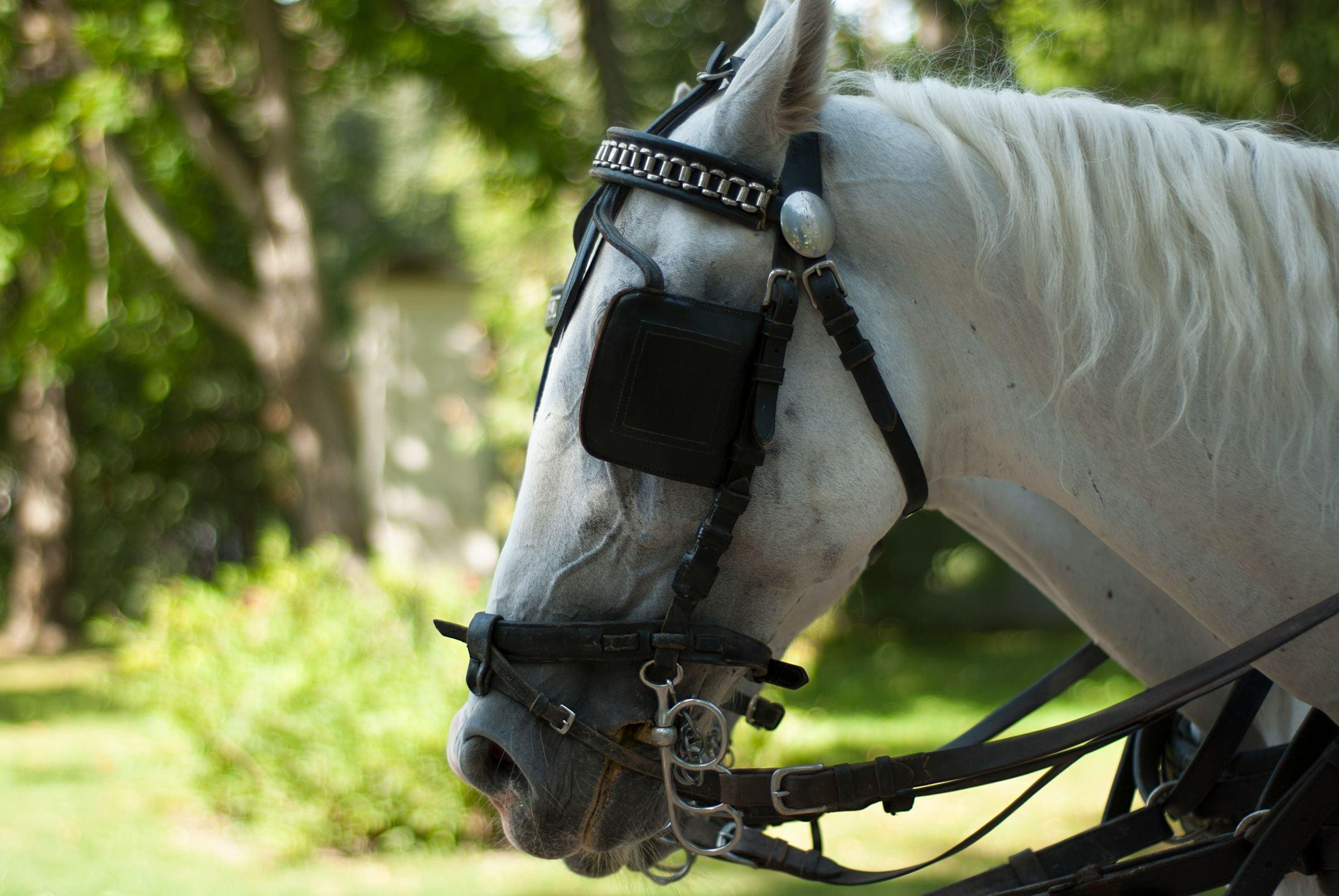 UnderstandTypes of blinkersFull, half and French cups, and the driving blinker, side by side.Read the guide
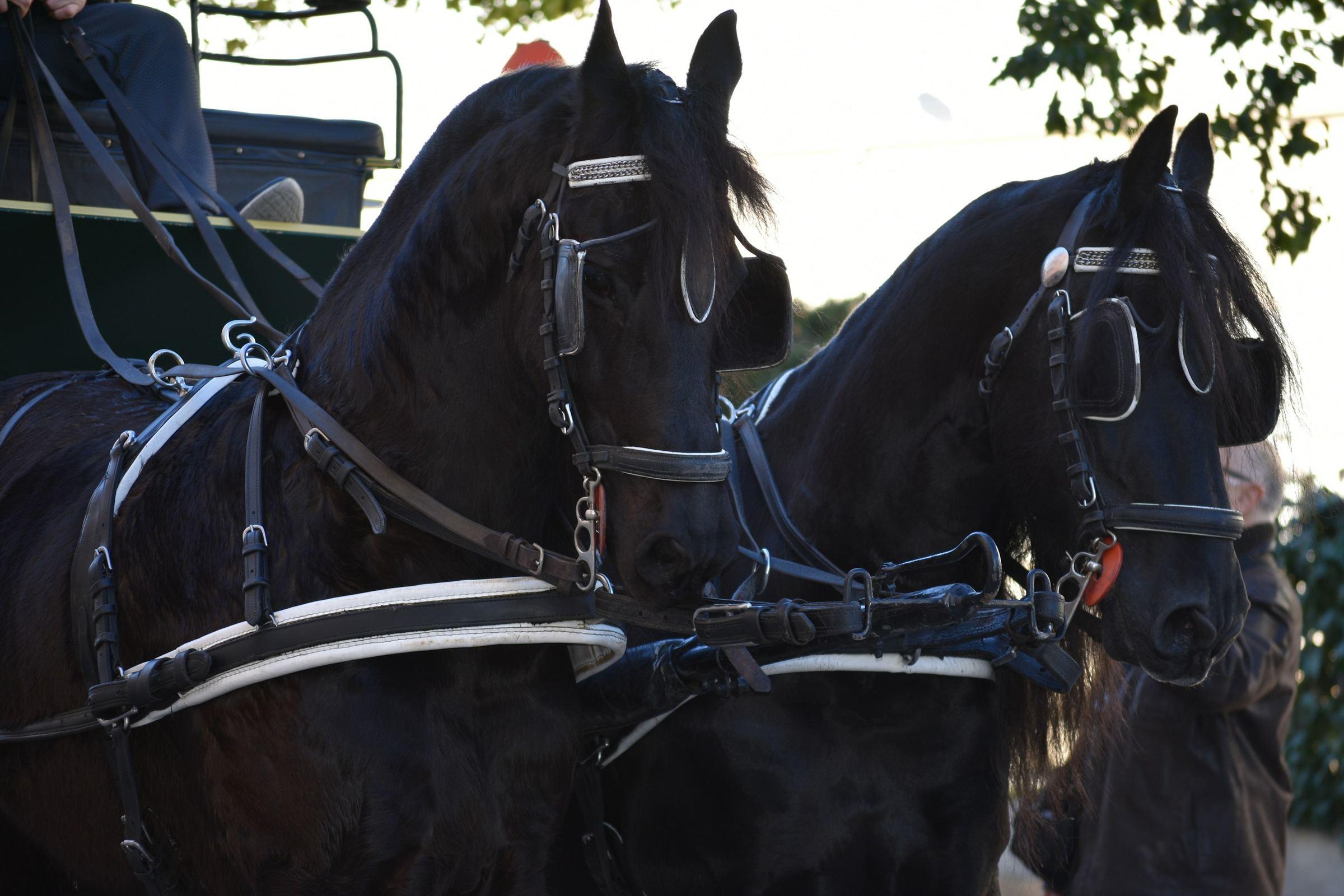 UnderstandWhy horses wear blindersLess behind, more ahead: what blinkers change, and what they cannot.Read the guide