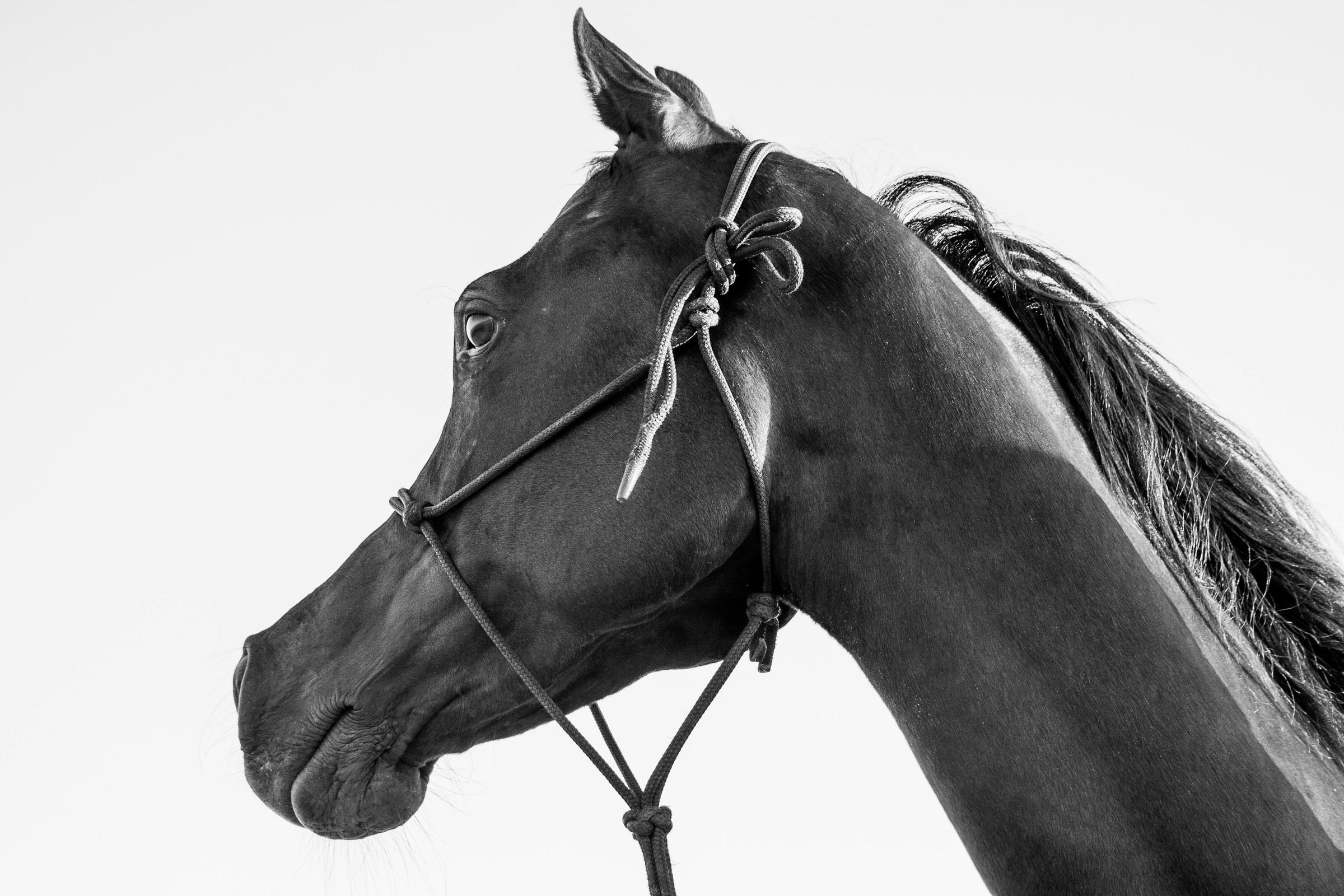
“Put the blinders on”: what it means
The short answer
To “put the blinders on” means to shut out distractions and concentrate on one thing, the way blinders keep a horse looking ahead. It can also mean, less kindly, refusing to see something you would rather ignore. Merriam-Webster lists both senses under the idioms for blinder.
What does 'put the blinders on' mean?
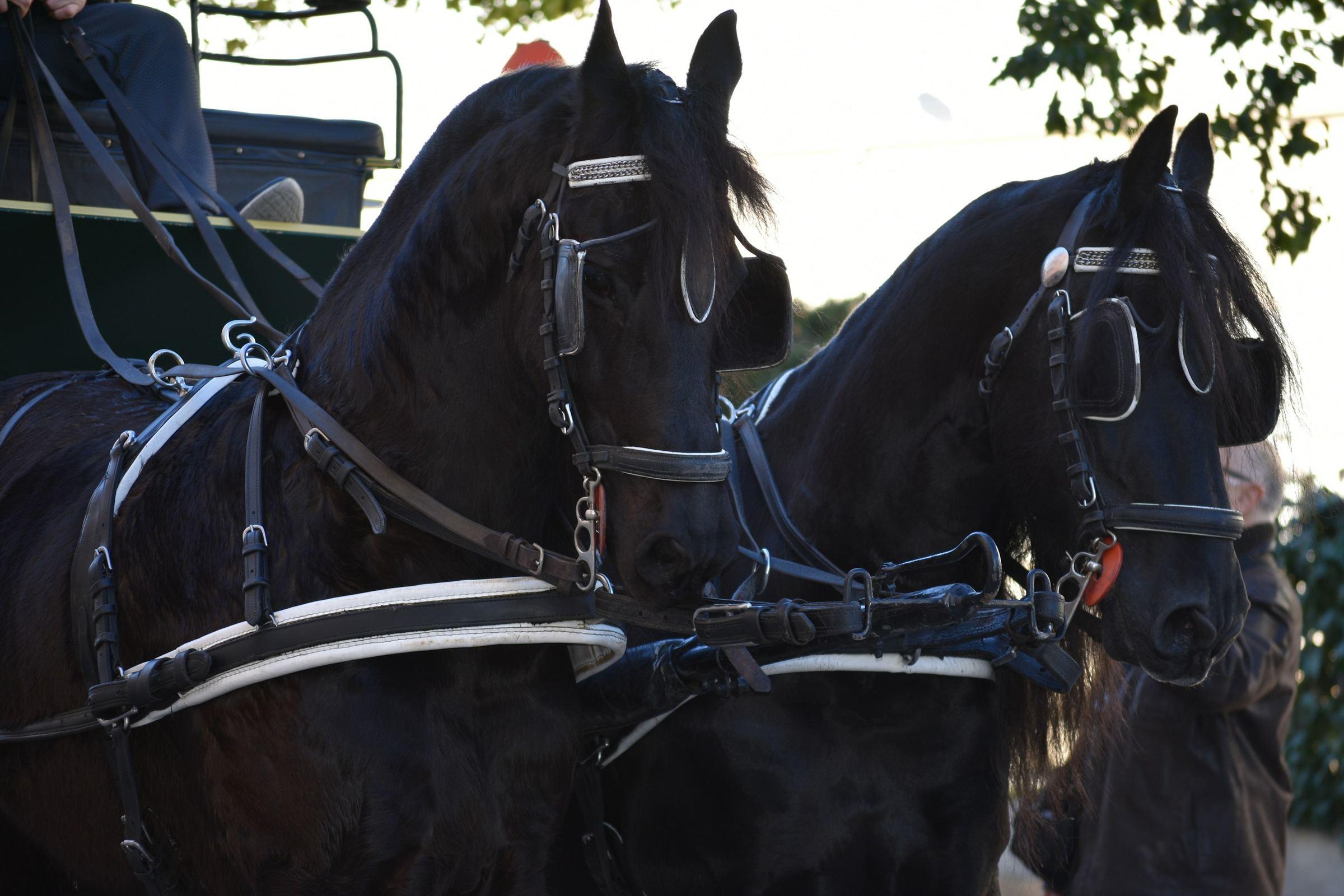
It means narrowing your attention on purpose: ignoring distractions to focus on a task. Merriam-Webster glosses keeping blinders on as ignoring distractions. The phrase borrows directly from horse tack, where blinders block a horse’s side and rear view so it attends to what is ahead.
Shut out the noise to the side. Keep the way ahead open.
Does 'having blinders on' mean focus or denial?
Both, and context decides. Merriam-Webster’s example of the critical sense describes someone putting blinders on and ignoring a problem. Sports and work writing often uses the approving sense, praising a team or a person for blocking out distractions and simply getting on with it.
Management writing has picked up the approving sense: an MIT Sloan Management Review article is titled “Why Putting On Blinders Can Help Us See More Clearly”, treating deliberate narrowing as a way to think better.
- +Focus
“Exam week, so I’ve put the blinders on: no social media until Friday.”
- −Denial
“The board had blinders on about the debt until the auditors arrived.”
Where does the phrase 'blinders on' come from?
From the horse. A blinder is one of the two flaps on a bridle that stop a horse seeing to the side and behind. Wikipedia, citing the Oxford English Dictionary, notes that “blinder” is also used figuratively for an obstacle to clear judgement, chiefly in American usage.
Why horses really wear them, and what they do and do not block, is covered in why horses wear blinders. The literal equipment still keeps the way ahead open, which is a fair reminder for the figurative kind.
Is it 'blinders' or 'blinkers'?
Both are correct; it depends where you are. American English says blinders, British English says blinkers, for the tack and for the idiom: a Briton might say someone is wearing blinkers, or call a view blinkered. In horse racing on both sides of the Atlantic, “blinkers” is the usual term.
More tack vocabulary, from blinker stay to b1, is in the glossary.
Frequently asked questions
It depends on the sentence. Said of an athlete or a student before an exam, it praises focus. Said of someone ignoring a problem, it is a criticism. The context, and whether the thing being shut out deserved attention, decides.
British English usually says blinkers rather than blinders, so people talk of having or wearing blinkers, and use the adjective blinkered for a narrow-minded view. The Oxford English Dictionary, as cited by Wikipedia, marks the figurative blinder as chiefly US.
Yes. Wikipedia notes that in Britain a blinder can also be a bag or cloth blindfold put over a difficult horse's head while it is handled, for example when loading it into the starting stalls. That is a handling aid, not the idiom on this page.
Sources
- 01blinder (definition and idioms)Merriam-Webster
- 02put blinders onMerriam-Webster
- 03Blinkers (horse tack)Wikipedia
- 04Why Putting On Blinders Can Help Us See More ClearlyMIT Sloan Management Review (via Duke Scholars)
Checked . Rules, products and stock change, so confirm with the racing authority, the maker or the shop. We are independent and not paid by anyone named. Read the disclaimer or how we check facts.
Related guides
 UnderstandWhy horses wear blindersLess behind, more ahead: what blinkers change, and what they cannot.Read the guide
- Tools & moreGlossaryCup, hood, stay, plate, b1: the words, defined.Read the guide
 UnderstandHow horses seeAlmost a full circle, a narrow band of depth, and two small blind spots.Read the guide